Life is a mosaic of experiences, some radiant with joy, others dimmed by pain and disappointment. We encounter moments that shake our confidence, test our patience, and challenge our resilience. At times, it feels like the world is conspiring against us, delivering blow after blow. But what if the bad experiences we dread so much aren’t as disastrous as they seem? What if, through a shift in perspective or the power of acceptance, we come to see these moments not as curses but as vital parts of the human experience? In truth, the struggles, heartaches, and failures we endure shape us in ways we often fail to appreciate, and learning to embrace them makes all the difference—and that is okay.

The Imperfection of Relationships
Relationships are among the most cherished aspects of life, yet they are also a source of immense pain. We argue with our partners, fall out with friends, or feel disconnected from family. It’s easy to view these moments as signs of failure. However, imperfection is the essence of relationships. Conflict can be an opportunity for growth, revealing deeper emotions and helping us to understand each other better. The ups and downs are what allow us to build stronger connections, grounded in empathy and forgiveness. We need to accept that relationships aren’t meant to be flawless, and that’s okay. The beauty lies in the willingness to work through imperfections, to love despite the challenges, and to grow together rather than apart.
The Uncertainty of Career and Success
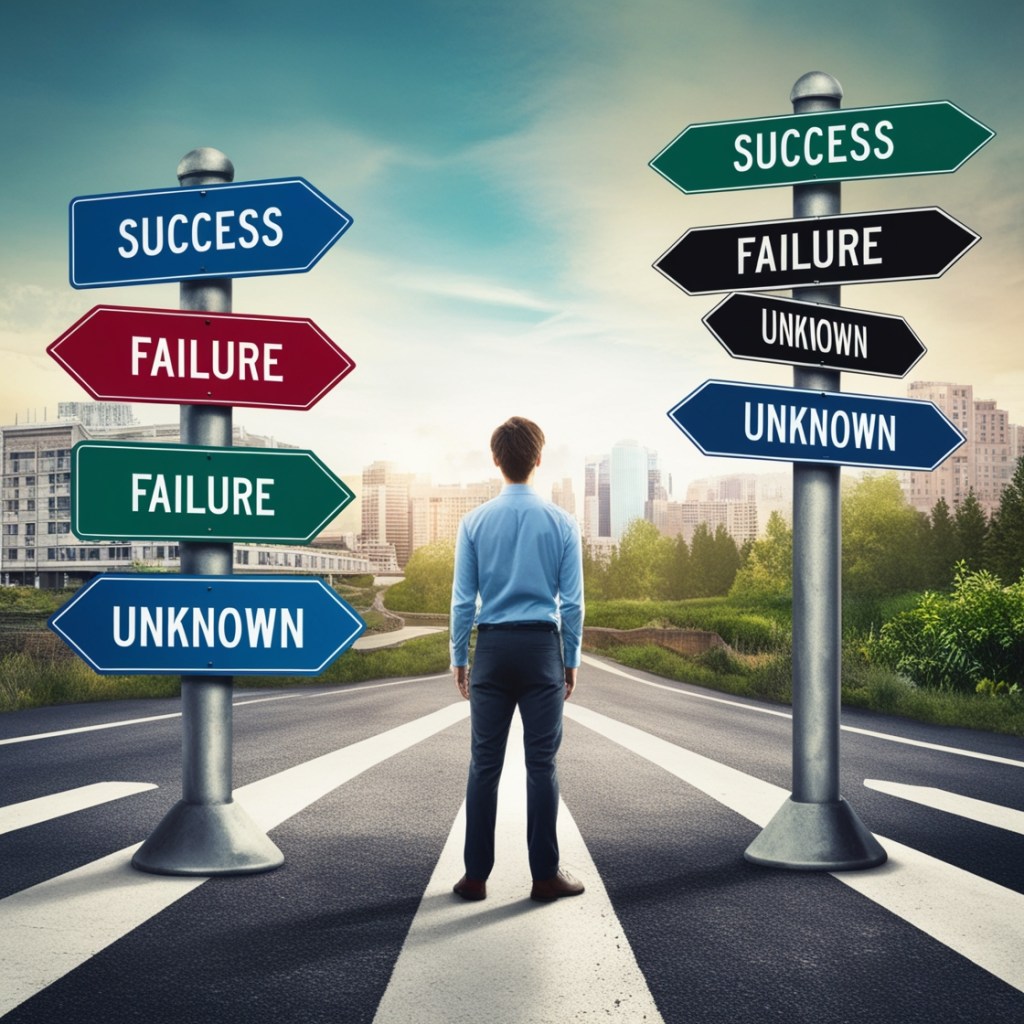
Success in our careers often feels like the ultimate measure of our worth, but what happens when we stumble along the way? Many of us face career setbacks, whether it’s being passed over for a promotion, struggling in a job we dislike, or feeling unsure of our professional direction. Society tells us that failure is unacceptable, but this couldn’t be further from the truth. The path to success is rarely a straight line, and every misstep is a lesson in disguise. We are often so focused on reaching the end goal that we forget to value the process of getting there. If we can accept that career growth is a journey full of wrong turns and obstacles, we can stop seeing failure as a dead end—and that is okay.

The Burden of Expectations
Life is full of expectations—those we place on ourselves and those placed upon us by others. The pressure to live up to these expectations can lead to anxiety, disappointment, and even a sense of failure when things don’t go as planned. We imagine that by a certain age, we should have achieved specific milestones: a successful career, a stable relationship, financial security, or personal fulfillment. But life doesn’t follow a set timeline, and our worth is not tied to external achievements. Learning to accept where we are in life, instead of obsessing over where we “should” be, allows us to live more freely. The beauty of life is that it unfolds in unexpected ways—and that is okay.

The Struggles of Mental and Emotional Well-being
Mental health struggles are often seen as weaknesses, and many people feel ashamed of their anxieties, depressive episodes, or inner battles. In a world that praises strength and success, showing vulnerability can feel like failure. Yet, mental health is just as important as physical health, and acknowledging our struggles is not a sign of defeat but a step toward healing. Seeking help, practicing self-care, and embracing our imperfections as part of the human experience make us stronger, not weaker. Life doesn’t always have to feel good for it to be valuable. It’s okay to not be okay sometimes—and that is okay.

The Inevitability of Loss
Loss is one of the most profound sources of grief we will ever face, whether it’s the death of a loved one, the end of a relationship, or the passing of a phase in our lives. Loss feels unbearable because it is a reminder of how fleeting life is. But loss also teaches us the value of the moments we have. It reminds us to cherish the present, to hold onto what truly matters, and to find beauty in the impermanence of life. Grief is a natural part of being human, and while we may never fully “get over” a loss, we learn to live with it—and that is okay.
The Pain of Failure
Failure is another universal experience that we tend to view negatively. Whether it’s a personal project, an academic challenge, or a missed opportunity, failure often makes us feel inadequate. But failure is the seed of growth. Through failure, we learn resilience, creativity, and the importance of perseverance. Most of the time, our failures are stepping stones to success, offering insights we wouldn’t have gained otherwise. It’s crucial to reframe failure not as a final verdict on our abilities but as a necessary step in the process of becoming better—and that is okay.
Conclusion: Embracing the Complexity of Life
Life is full of bad experiences, moments when we feel like we’ve fallen short or that things haven’t gone our way. Yet, each of these experiences is an essential part of the bigger picture. The struggles we endure are opportunities for growth, understanding, and self-reflection. When we stop resisting the natural flow of life, and instead choose to embrace both the good and the bad, we find peace. We begin to see that it’s not about avoiding pain but learning from it, growing with it, and ultimately realizing that it is okay to not have it all figured out.
In the end, life is messy, unpredictable, and sometimes painful—but that’s what makes it beautiful. It’s okay to face failure, it’s okay to feel lost, and it’s okay to be imperfect. Accepting these truths allows us to live more fully, more authentically, and more peacefully. We come to understand that life, in all its complexity, is worth living—and that is okay.
 THE SOCIAL WORKER